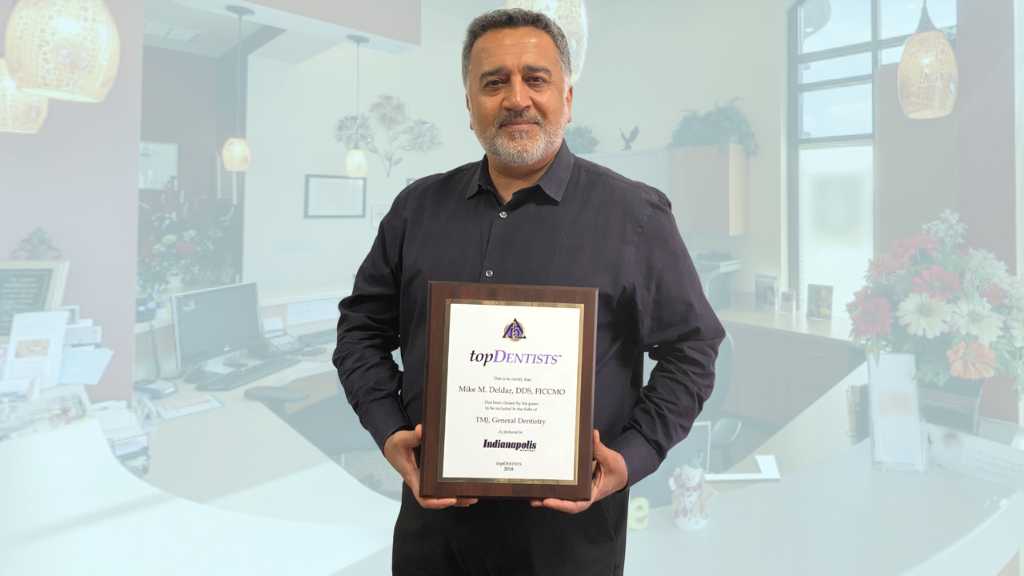

Improving your quality of life — that simple phrase underpins everything the Deldar Dental team does. For more than two decades Dr. Mike Deldar has served Noblesville and the greater Indianapolis area with a blend of advanced neuromuscular training, compassionate care and cutting‑edge technology. If you’re searching for the best TMJ dentist in Noblesville, this in‑depth guide will help you understand temporomandibular joint disorders (TMDs), why specialized care matters and what sets Deldar Dental apart.
Understanding TMJ Disorders
Temporomandibular disorders (TMDs) describe more than 30 conditions that affect the jaw joint and the muscles that control jaw movement. People have two temporomandibular joints, one on each side of the jaw. These disorders can be short‑lived or chronic and may occur alone or alongside other conditions such as headaches, back pain, sleep problems and fibromyalgia. Studies estimate that about 11–12 million U.S. adults experience pain in the TMJ region and TMDs are twice as common in women, especially between 35 and 44 years old.
Common Causes and Risk Factors
Injury to the jaw or temporomandibular joint can trigger a TMD, but in many cases the exact cause isn’t clear. Researchers suggest that a mix of genetic, psychological and lifestyle factors influences whether someone develops a TMD. Women may be more susceptible due to structural or hormonal differences in the TMJ. It’s worth noting that research does not support the idea that a bad bite or orthodontic braces cause TMDs.
Symptoms to Watch For
Many people hear occasional clicks or pops in their jaw joints without pain; this is normal and doesn’t require treatment. Persistent symptoms may signal a TMD. These include:
- Pain in the chewing muscles or jaw joint.
- Pain that spreads to the face or neck.
- Jaw stiffness or limited movement.
- Painful clicking, popping or grating when opening or closing the mouth.
- Ringing in the ears, dizziness or hearing changes.
- Changes in how the upper and lower teeth fit together.
According to the World Health Organization’s research summarised on Wikipedia, the most common presenting symptoms are pain, altered jaw movement and joint noises. While TMD is rarely life‑threatening, chronic pain can seriously detract from quality of life. Globally, about 20–30 % of adults experience TMD symptoms; it’s the second most frequent cause of orofacial pain after toothache.
Evidence‑Based Treatment Options
Conservative management is the first line of care for most TMJ disorders. The National Institute of Dental and Craniofacial Research points out that sounds in the joint without pain don’t require treatment and many TMDs resolve without intervention. Because evidence is limited for many TMJ treatments, experts recommend avoiding therapies that permanently change the jaw joints, teeth or bite. Initial management usually involves the following nonsurgical measures:
- Eat soft foods and avoid over‑using the jaw.
- Apply heat or cold and perform gentle stretching exercises.
- Reduce habits like gum chewing or clenching.
If symptoms persist, further treatments may include physical therapy, self‑management strategies and behavioral approaches. Manual therapy can relieve pain by stretching soft tissues around the joint. Cognitive behavioral therapy and biofeedback help patients identify stressors and learn to relax facial muscles. Medications may be prescribed, such as nonsteroidal anti‑inflammatory drugs, antianxiety medications or antidepressants.
The Mayo Clinic explains that symptoms sometimes resolve on their own. When they don’t, treatment may involve multiple modalities. Medical therapies include pain relievers, tricyclic antidepressants and muscle relaxants. Non‑drug therapies range from self‑care (avoiding clenching, practicing proper jaw posture) to oral splints or mouth guards, physical therapy and counseling. In severe cases where conservative approaches fail, procedures such as arthrocentesis, corticosteroid injections or arthroscopic surgery may be considered.
Why You Need a TMJ Specialist
Given the complexity of temporomandibular disorders, it’s important to see a dentist with advanced neuromuscular training. A TMJ dentist has specialized knowledge to evaluate how your bite, jaw muscles and joint function interact. Dr. Mike Deldar at Deldar Dental is a leading TMJ dentist in Noblesville. With over 20 years of experience and three Top Dentist awards, he uses state‑of‑the‑art diagnostic tools (including 3D cone beam scanning and computerized muscle scans) to pinpoint the causes of TMJ pain. His comprehensive approach considers not only dental factors but also posture, stress, sleep quality and overall health.
Deldar Dental’s Holistic Philosophy
Deldar Dental’s mission — improving your quality of life — guides every treatment plan. Dr. Deldar follows a two‑phase protocol for TMJ treatment. Phase 1 involves a removable, custom‑made oral appliance worn 24/7 to gradually align the bite and relax jaw muscles. Phase 2 includes ongoing adjustments and may incorporate orthodontics or restorative work to maintain long‑term balance. These phases align with the evidence that splints, physical therapy and conservative measures should precede any invasive treatment.
The clinic also offers adjunctive services such as sleep apnea therapy, orthodontics and holistic dentistry. Because TMJ disorders often overlap with sleep issues and bite misalignment, this integrated approach helps patients achieve lasting relief. Deldar Dental uses biocompatible materials and emphasises patient education so you can make informed decisions about your care.
Choosing the Best TMJ Dentist in Noblesville
When evaluating TMJ dentists, consider these factors:
- Experience and Training: Look for a dentist with neuromuscular or TMJ certification and years of practice treating complex cases. Dr. Deldar’s extensive training and decades in practice translate to a nuanced understanding of TMJ disorders.
- Comprehensive Diagnostics: Top TMJ dentists use 3D imaging, muscle scans and bite analysis to identify root causes. Deldar Dental’s diagnostic suite allows for precise treatment planning.
- Patient‑Centered Care: A holistic philosophy that addresses your overall health, listens to your concerns and tailors treatment to your needs is essential. Testimonials from Deldar Dental patients highlight the team’s compassion and transparency.
- Technology and Techniques: Neuromuscular appliances, low‑dose digital X‑rays and custom orthotics demonstrate a commitment to modern dentistry.
- Continuity of Care: TMJ treatment is a process that may span months. Choose a dentist who provides ongoing follow‑up and collaborates with other health professionals when needed.
Deldar Dental scores highly in each of these areas. By combining neuromuscular dentistry with a holistic approach, they deliver personalized care that addresses the underlying factors contributing to your TMJ disorder. Whether your pain stems from an injury, stress, bruxism or an unidentified cause, Dr. Deldar will develop a tailored plan to relieve your symptoms and restore harmony to your jaw.
Frequently Asked Questions
Can TMJ disorders go away on their own? Yes. Many TMJ disorders resolve without treatment. Experts recommend conservative care, such as diet changes and jaw exercises, before pursuing invasive procedures.
What are the risks of ignoring TMJ pain? Chronic TMJ disorders can lead to persistent pain, headaches, ear discomfort and sleep disturbances. Early evaluation helps prevent worsening symptoms and identifies other possible conditions.
Do I need surgery? Surgery is rare and usually recommended only after conservative treatments fail. A TMJ specialist can determine whether you might benefit from minimally invasive procedures like arthrocentesis.
How long does TMJ treatment take? Every patient is different. Phase‑1 orthotics often produce relief within a few months, while phase‑2 orthodontic or restorative work can take longer. Your dentist will monitor progress and adjust your plan accordingly.
Will insurance cover TMJ treatment? Coverage varies by provider and plan. Many insurers recognize neuromuscular therapy and diagnostic tests as medically necessary. Deldar Dental’s team can help you navigate insurance and financing options.
Take the Next Step Toward Relief
TMJ disorders can be frustrating, but you don’t have to live with jaw pain, headaches or limited movement. A specialized TMJ dentist offers the expertise and technology to diagnose and treat the underlying issues. If you’re searching for the best TMJ dentist in Noblesville, Deldar Dental stands out for its holistic philosophy, decades of experience and commitment to improving your quality of life.
For more information about TMJ disorders and their treatment, explore our detailed pages on TMJ Dentist Noblesville and TMJ Treatment Noblesville. These resources delve deeper into symptoms, causes and the multi‑phase approach that makes Deldar Dental unique.
When you’re ready to find lasting relief, Make an appointment with Dr. Mike Deldar today and discover how expert TMJ care can transform your health and well‑being.